My name is Gina Gindorf, and I’m the co-founder and CMO of Loya. Originally from Germany, I have spent the last several years living and studying internationally, including earning my Master’s degree in Public Relations and Corporate Communications from New York University.
Throughout my career, I’ve worked across marketing, communications, and technology, helping startups tell their stories and grow their businesses. Working closely with founders and ecommerce brands gave me a front-row seat to the challenges businesses face when trying to acquire customers and, more importantly, keep them coming back.
Today, I focus on building Loya, a customer retention platform designed to help online merchants increase repeat purchases and customer lifetime value.
Before WordPress, I was a heavy internet user but not deeply involved in the technical side of building websites. My background was in marketing and communications, so my digital world revolved around content, social media, online communities, and helping brands grow. As I started working more closely with startups and ecommerce businesses, I became increasingly interested in the systems powering online businesses, which is ultimately what led me to discover WordPress.
As we started building Loya, WordPress became an important part of our journey. We saw an opportunity to bring our product to thousands of merchants already operating on WordPress-powered stores. The flexibility of the ecosystem, the openness of the platform, and the strength of its community made WordPress a natural choice.
What impressed me most was how accessible WordPress is and how open the teams are. Whether you’re a solo entrepreneur launching your first store or a growing business serving thousands of customers, WordPress provides the tools and freedom needed to build and scale.

The Need for “Loya”
The idea for Loya came from a simple observation: ecommerce brands spend enormous amounts of money acquiring customers, but many struggle to get those customers to come back.
When I looked at the retention tools available, I noticed that most loyalty programs relied on points systems, complicated reward structures, discount codes, or marketing campaigns that required constant management. As a consumer myself, I rarely felt excited by loyalty programs. I often forgot I was even enrolled in them.
That led us to ask a simple question: what if loyalty felt more rewarding and required less effort?
We built Loya around the idea that customer retention should happen automatically. Instead of collecting points, shoppers earn instant cashback after every purchase that can be used on future orders. There are no extra steps, no complicated rules, and nothing new for merchants to manage.
What makes Loya different is its simplicity. It operates quietly in the background, creating a natural reason for customers to return while giving merchants a retention tool that doesn’t depend on constant discounts, email campaigns, or paid advertising. Customers receive a reward they immediately understand, and merchants gain valuable customer insights, stronger loyalty, and more repeat purchases.
Ultimately, our goal was not to reinvent loyalty programs. It was to remove the friction that makes so many of them ineffective in the first place.
Building Loya hasn’t been without challenges. Like many startups, we’ve gone through product pivots, technical hurdles, and plenty of moments where we had to challenge our own assumptions. One of the biggest lessons I’ve learned is that asking for help does not make you weak or less capable. If anything, asking for help can only bring positives. Not only do you learn from others, but connections are incredibly valuable. The more people you know, the more opportunities you create for yourself.
This also goes hand in hand with what I like to call being “strategically annoying.” Following up with people, staying persistent, and not assuming the worst when you don’t get an immediate response are important traits if you want to succeed. Most people are actually willing to help if you simply ask.
Our biggest challenge has been earning trust. Customer loyalty and payments are areas where merchants need confidence before adopting a new solution. That is why staying close to our community has become one of the most important parts of building the business. Every conversation with a merchant helps us better understand their needs while also building the relationships that ultimately drive adoption.
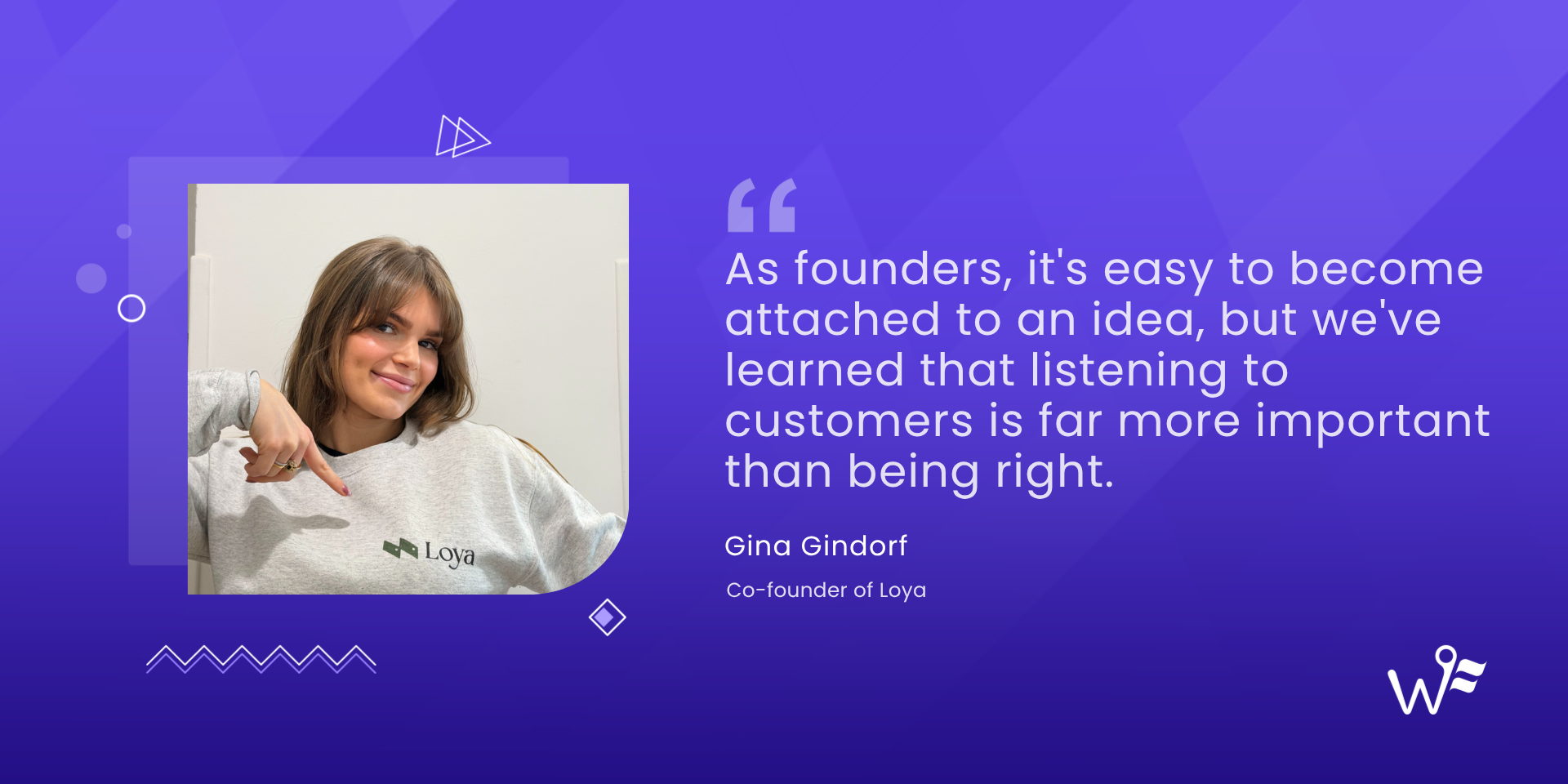
One of the hardest experiences was realizing that some of our original assumptions about the product were wrong and having to pivot. As founders, it’s easy to become attached to an idea, but we’ve learned that listening to customers is far more important than being right.
The moments I’m most proud of are when merchants tell us that Loya solves a real problem for them. Hearing that they finally found a retention solution that is easy to understand, simple to implement, and genuinely valuable for their customers reminds us why we started in the first place.
Throughout this journey, I’ve had the opportunity to work closely with WordPress, WooCommerce, and many other ecommerce tools that help merchants build better online experiences. Those experiences have shaped both my understanding of ecommerce and the way we continue to build Loya today.
I’ve worked with WordPress for years, both for personal projects and in previous roles where I helped build and manage websites. However, most of my experience with the ecosystem today comes through building Loya.
While I’m not the technical founder; that role belongs to my co-founder, Geoffroy Farrugia, I’ve had the opportunity to work closely with merchants throughout the development of our WordPress/WooCommerce integration and broader retention platform. Through those conversations, I’ve learned a great deal about the tools store owners rely on every day, the plugins they love, and the frustrations they experience with existing solutions.
As we continue growing Loya, I’m looking forward to becoming even more involved in the WordPress community and helping merchants build stronger customer relationships through WooCommerce and WordPress.
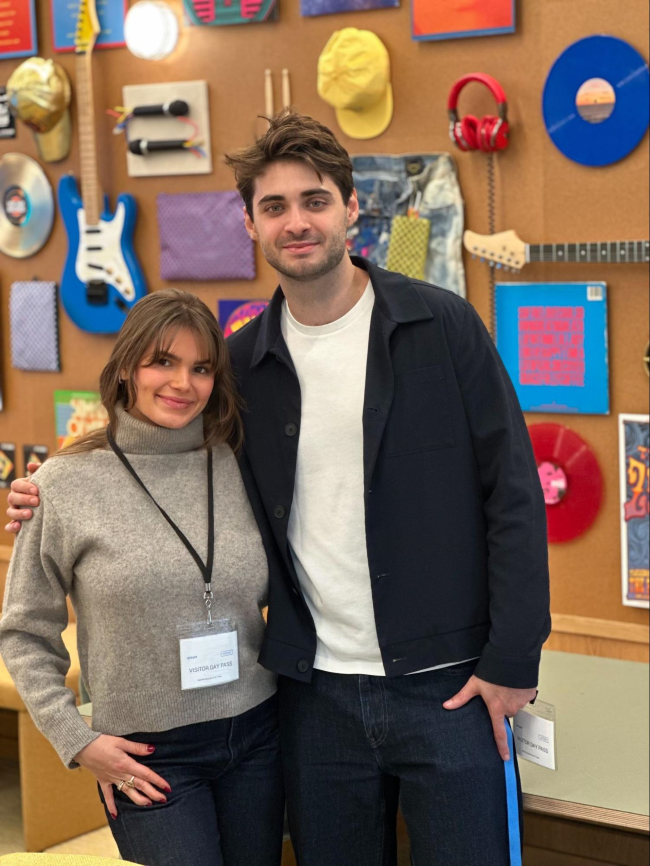
Myself with my Brilliant Team
Loya consists of Geoffroy Farrugia (Co-Founder) and myself, we work from our home offices.
Advice for Business Owners
The biggest piece of advice I would give anyone starting a business is to spend less time thinking about features and more time understanding customer behavior.
Many founders focus on what they’re building instead of why people would care.
Talk to customers early. Listen more than you speak. Validate assumptions before investing months into development.
One of the most important pieces of advice I can give, even if it sounds a little strange, is to be strategically annoying. By that, I mean don’t stop reaching out to people, asking for help, following up, and being persistent when needed. Too often, we assume the worst when someone doesn’t reply, but most people are simply busy. Some of the best opportunities I’ve had came from sending a follow-up message rather than giving up after the first attempt.
If I had to recommend a niche within the WordPress ecosystem, I would focus on solving real business problems rather than chasing trends. The opportunities often exist in areas where businesses are losing money, wasting time, or struggling to grow.
WordPress & Beyond
Our goal for Loya is to continue helping merchants improve customer retention while expanding across more ecommerce platforms and reaching a larger audience of online businesses. As we grow, we want to increase both our merchant and customer base while continuing to build new features that make loyalty and repeat purchases even more seamless.
Looking further ahead, we plan to support crypto payments, expand beyond traditional retail into other types of online transactions, bring Loya to in-person checkouts, and develop a mobile app that makes earning and spending cashback seamless across both online and physical purchases.
Our long-term vision is to become a core part of how businesses build lasting relationships with their customers, regardless of where or how those transactions take place.
Over the next five years, I believe WordPress will remain one of the most important platforms on the internet. Its open ecosystem, flexibility, and massive community give it advantages that are difficult for competitors to replicate.
While newer website builders and ecommerce platforms continue to emerge, I believe WordPress will remain highly relevant because of the level of control it gives businesses over their digital presence as well as the competitive pricing.
My Love for the WordPress Community
I haven’t attended a WordCamp or WordPress meetup yet, although I’ve applied to speak at a few and hopefully will have the opportunity to participate soon. As someone building within the WordPress and WooCommerce ecosystem, I’m excited to become more involved in the community and connect with other founders, developers, and merchants.
That said, one thing that has stood out to me is how active and supportive the online WordPress community is. Whether through forums, social media, Slack groups, or conversations with other builders, there is a genuine willingness to share knowledge and help one another. I think that openness is one of the reasons WordPress has remained so successful over the years.
I’m looking forward to attending future events, learning from others in the ecosystem, and hopefully contributing back by sharing my own experiences building Loya.
I would say Adam Weeks is one of my closest friends within the WordPress community. He has been incredibly supportive throughout my journey and is always willing to share advice, make introductions, and help others succeed. One of the things I admire most about the WordPress ecosystem is how welcoming and collaborative it is, and Adam is a great example of that.
I am inspired by Katie Keith’s story because she built Barn2 Plugins from the ground up into one of the most respected WooCommerce plugin companies in the ecosystem.
I admire the way she identified real problems faced by merchants and turned them into successful products while continuing to grow and innovate. As someone building a WooCommerce-focused business myself, I find her journey particularly relatable.
How I Keep Myself Updated
I stay informed through a combination of industry newsletters, communities, and conversations with merchants and ecommerce operators.
I Have a Life Other Than the Work
Outside of work, I love traveling, discovering new cities, and meeting people from different backgrounds.
I usually spend the holidays with family and friends, enjoying quality time together in a relaxed setting. For me, the best celebrations are often the simplest ones: gathering around a good meal, sharing a bottle of wine, and catching up with the people I care about most.
My favorite travel destination is Japan! I just recently went for the first time, and it was stunning- beautiful culture and welcoming people.
I have a dog named Bubu.

Connect With Me
People can reach out to me easily through X and LinkedIn.